🎉 Up to 70% Off Selected ItemsShop Sale


HomeStore
Bartók, Béla - First String Quartet in a minor, Op 7, Sz 52 - Set of Parts - edited by Paolo Borciani - International Music Company
Bartók, Béla - First String Quartet in a minor, Op 7, Sz 52 - Set of Parts - edited by Paolo Borciani - International Music Company
Completed in 1909, Bartók's String Quartet No. 1 in a minor, Sz. 52, was inspired by the composer's love for Hungarian violinist Stefi Geyer; it seems that Ms. Geyer, however, did not return Bartók's sentiments. In the opening bars of the slow first movement, he quotes from his first violin concerto. The contrapuntal nature of the movement led it to be compared to fhe fugal techniques of Beethoven. By the third movement, Bartók's more familiar, folk-inspired style is evident.
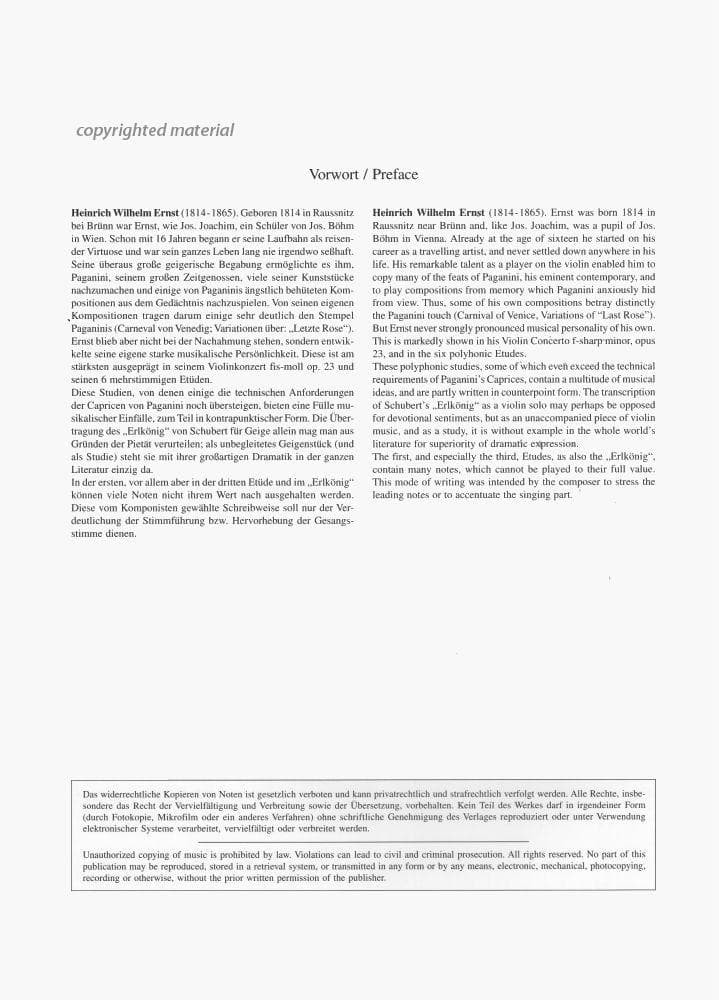
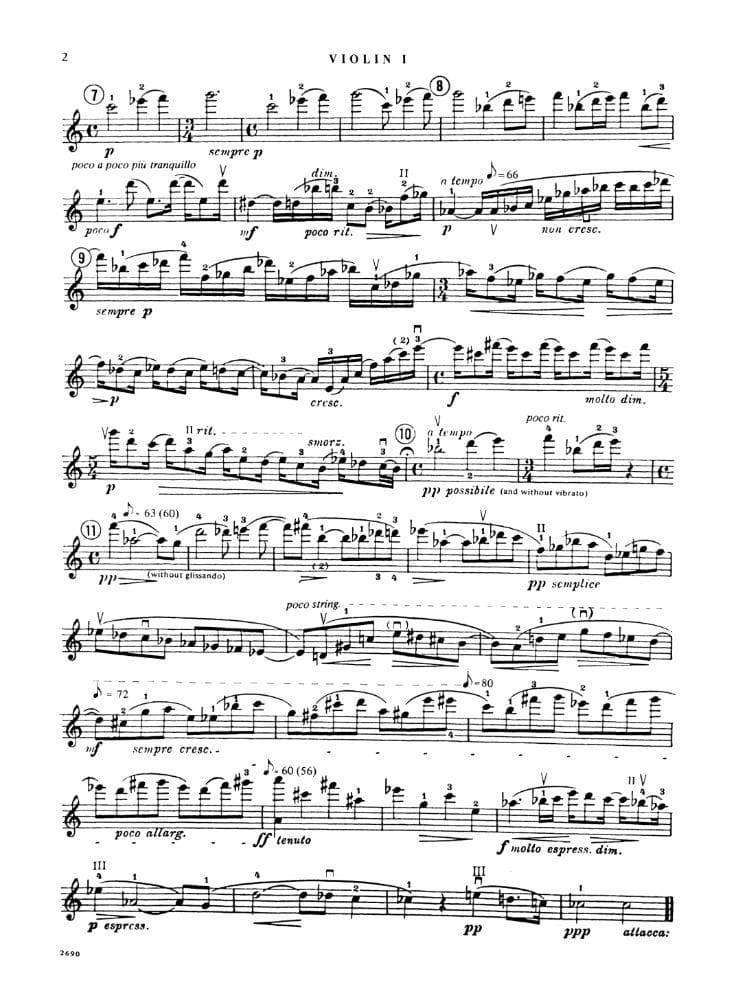
This edition contains parts for two violins, viola, and cello (no score), and is edited by Paolo Borciani. Published by the International Music Company.
Difficulty: 6
Click here to learn more about the Apprentice and ASTA Sheet Music Difficulty Ratings.
This edition contains parts for two violins, viola, and cello (no score), and is edited by Paolo Borciani. Published by the International Music Company.
Difficulty: 6
Click here to learn more about the Apprentice and ASTA Sheet Music Difficulty Ratings.
$23.89
Bartók, Béla - First String Quartet in a minor, Op 7, Sz 52 - Set of Parts - edited by Paolo Borciani - International Music Company—
$23.89
More Images

Bartók, Béla - First String Quartet in a minor, Op 7, Sz 52 - Set of Parts - edited by Paolo Borciani - International Music Company
Completed in 1909, Bartók's String Quartet No. 1 in a minor, Sz. 52, was inspired by the composer's love for Hungarian violinist Stefi Geyer; it seems that Ms. Geyer, however, did not return Bartók's sentiments. In the opening bars of the slow first movement, he quotes from his first violin concerto. The contrapuntal nature of the movement led it to be compared to fhe fugal techniques of Beethoven. By the third movement, Bartók's more familiar, folk-inspired style is evident.
This edition contains parts for two violins, viola, and cello (no score), and is edited by Paolo Borciani. Published by the International Music Company.
Difficulty: 6
Click here to learn more about the Apprentice and ASTA Sheet Music Difficulty Ratings.
This edition contains parts for two violins, viola, and cello (no score), and is edited by Paolo Borciani. Published by the International Music Company.
Difficulty: 6
Click here to learn more about the Apprentice and ASTA Sheet Music Difficulty Ratings.
Product Information
Product Information
Shipping & Returns
Shipping & Returns
Description
Completed in 1909, Bartók's String Quartet No. 1 in a minor, Sz. 52, was inspired by the composer's love for Hungarian violinist Stefi Geyer; it seems that Ms. Geyer, however, did not return Bartók's sentiments. In the opening bars of the slow first movement, he quotes from his first violin concerto. The contrapuntal nature of the movement led it to be compared to fhe fugal techniques of Beethoven. By the third movement, Bartók's more familiar, folk-inspired style is evident.
This edition contains parts for two violins, viola, and cello (no score), and is edited by Paolo Borciani. Published by the International Music Company.
Difficulty: 6
Click here to learn more about the Apprentice and ASTA Sheet Music Difficulty Ratings.
This edition contains parts for two violins, viola, and cello (no score), and is edited by Paolo Borciani. Published by the International Music Company.
Difficulty: 6
Click here to learn more about the Apprentice and ASTA Sheet Music Difficulty Ratings.